



Why Losing Weight Can Positively Impact Your Health and Your Life
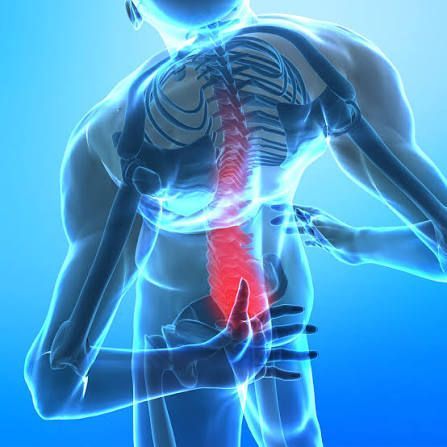
Less Stress on Your Joints
Losing weight isn't only about changing the number on the scale. For many people, achieving and maintaining a healthier weight can positively affect how they feel, move, sleep, and approach everyday life.
While everyone's health journey is different, excess body weight can place additional stress on the body. Making sustainable changes to nutrition, activity, sleep, and other lifestyle habits can help support overall health and well-being.
At Function First in Carmel, Indiana, we believe that weight loss should be about more than simply looking different. The goal should be to help you build healthier habits and feel your best for the long term.
1. Less Stress on Your Joints
Your body carries your weight everywhere you go. When you walk, climb stairs, exercise, or simply stand for extended periods, your knees, hips, ankles, feet, and spine are working to support you.
Carrying excess weight can increase the amount of stress placed on these areas. Losing weight may reduce some of that load, which can make movement more comfortable for some people.
When moving becomes easier, you may also find yourself more willing to stay active. That can create a positive cycle: better movement encourages more activity, and more activity can support your overall health and weight-management goals.
2. More Energy for Everyday Life
Do you ever feel like everyday activities require more energy than they should?
Reaching a healthier weight and improving your lifestyle habits may help you feel more energetic throughout the day. Nutritious foods, regular physical activity, adequate hydration, and quality sleep can all play important roles in supporting healthy energy levels.
More energy can make a difference in the things that matter most—playing with your children, taking a walk, exercising, traveling, working, or simply getting through a busy day without feeling as drained.
3. Supporting Heart and Metabolic Health
Maintaining a healthy weight is one part of supporting long-term cardiovascular and metabolic health.
Weight loss, particularly when combined with improved nutrition and regular activity, can contribute to improvements in health markers such as blood pressure, blood sugar, and cholesterol levels in some individuals.
The important thing to remember is that you don't have to chase perfection. Sustainable improvements to your daily habits can add up over time.
4. Better Sleep
Healthy weight management may also have a positive impact on sleep.
Sleep and weight can influence each other. Poor sleep can make it more difficult to maintain healthy habits, while improving nutrition, physical activity, and weight management may help support better sleep.
And when you sleep better, you may notice improvements in your energy, mood, concentration, and motivation the following day.
5. Greater Confidence
Weight loss isn't a guarantee of confidence—and your self-worth certainly isn't determined by a number on a scale. However, accomplishing a personal health goal can create a powerful sense of achievement.
Maybe you can wear clothes that you haven't worn in years. Maybe walking up a flight of stairs feels easier. Perhaps you've become stronger, developed healthier eating habits, or finally feel like you're taking control of your wellness.
Those victories matter.
Seeing yourself make consistent progress can help build confidence that carries into other parts of your life.
6. Making Movement More Enjoyable
Exercise doesn't have to mean spending hours in a gym.
Walking around the neighborhood, playing with your kids, gardening, swimming, riding a bike, or enjoying a weekend outdoors are all ways to move your body.
As you lose excess weight and improve your fitness, some activities may begin to feel easier. That can open the door to doing more of the things you enjoy.
The objective isn't simply to lose weight. It's to create a body and lifestyle that allow you to participate more fully in your life.
7. Developing Healthier Habits That Last
One of the greatest benefits of a well-designed weight-loss journey is what you learn along the way.
Instead of relying exclusively on quick fixes or extreme restrictions, sustainable weight management involves developing habits you can realistically maintain.
That may include:
- Choosing more nutrient-dense foods
- Understanding appropriate portion sizes
- Drinking enough water
- Becoming more physically active
- Improving your sleep routine
- Planning meals ahead of time
- Recognizing habits that may be interfering with your goals
The scale may be one way to measure progress, but it isn't the only one. Improved energy, better-fitting clothes, increased activity, healthier food choices, and greater consistency can all be meaningful signs of progress.
Call 317-708-9355 or visit www.functionfirstindy.com