



The Benefits of Mindful Eating
The Hidden Power of Mindful Eating
In a world filled with fast food, frozen meals, and ultra-processed snacks, it's easy to forget that the best nutrition still comes from the most natural source — real food!
Mindful eating isn't about overhauling your daily diet, but instead making small changes leading to bigger impacts. It’s not easy to always watch what you’re eating, but focusing on eating a fruit or vegetable a day goes a long way to making real lasting change.
What are Whole Foods Exactly?
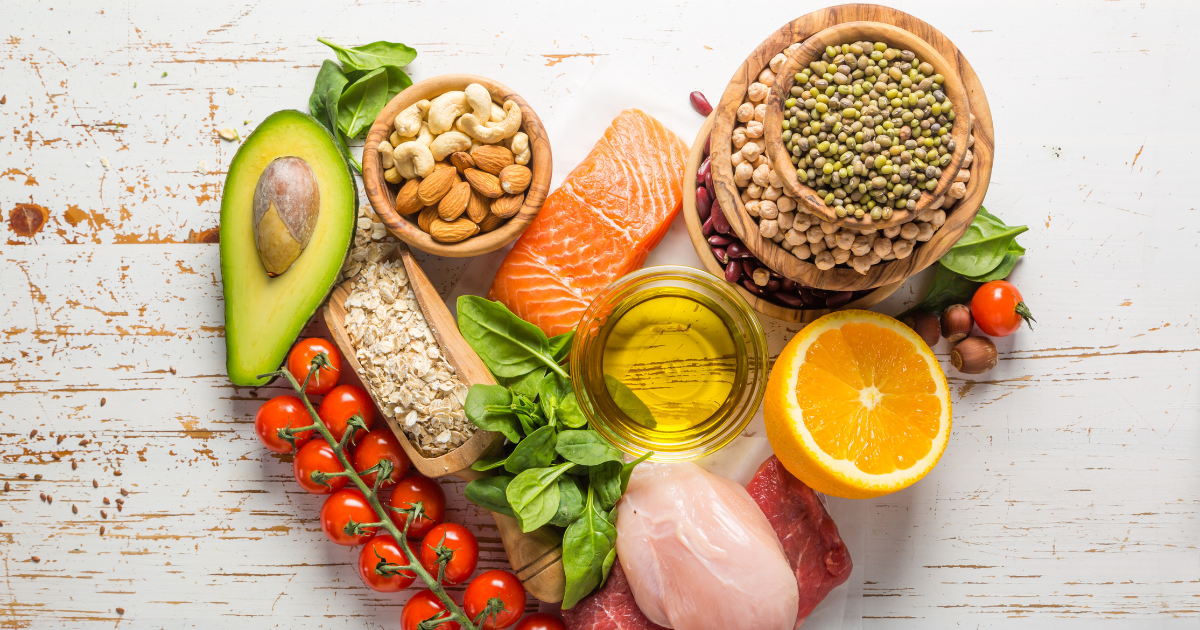
Whole foods do more than fill you up — they make you feel alive . At its core, eating whole foods means getting back to the basics, choosing foods that come from nature, not a factory. These are foods that look and taste the way they were meant to, without all the additives, preservatives, and artificial ingredients that get added along the way.
When you take time to prepare real meals and choose fresh ingredients, it changes your relationship with food. It stops being about restriction and starts being about respect - for your body, your energy, and the source of your food. Instead of overhauling your diet, try to incorporate some of the following foods into your daily diet:
- Fresh Fruits
- Whole Grains
- Nuts or Seeds
- Real Butter or Olive Oil
- Lean Proteins
Processed Foods: The Quick Fix That Costs You Later
In comparison to whole foods, processed foods are created to be convenient, shelf-stable, and craveable - but that convenience comes at a cost.
When food is heavily processed, it's stripped of its natural fiber, water, and structure and replaced with additives such as sugar, salt, and preservatives. The result? Food that may taste good at the moment, but doesn’t satisfy your needs.
Processed foods can make you feel sluggish, bloated, and foggy- and over time, they can contribute to inflammation, weight gain, and energy crashes. Not to mention, the price adds up quickly!
Common processed foods are:
- Fast food or microwaveable meals
- Sugary drinks and sodas
- Packaged snack (chips, crackers, and pastries)
- Sugary cereals
- Processed meats such as deli slices or hot dogs
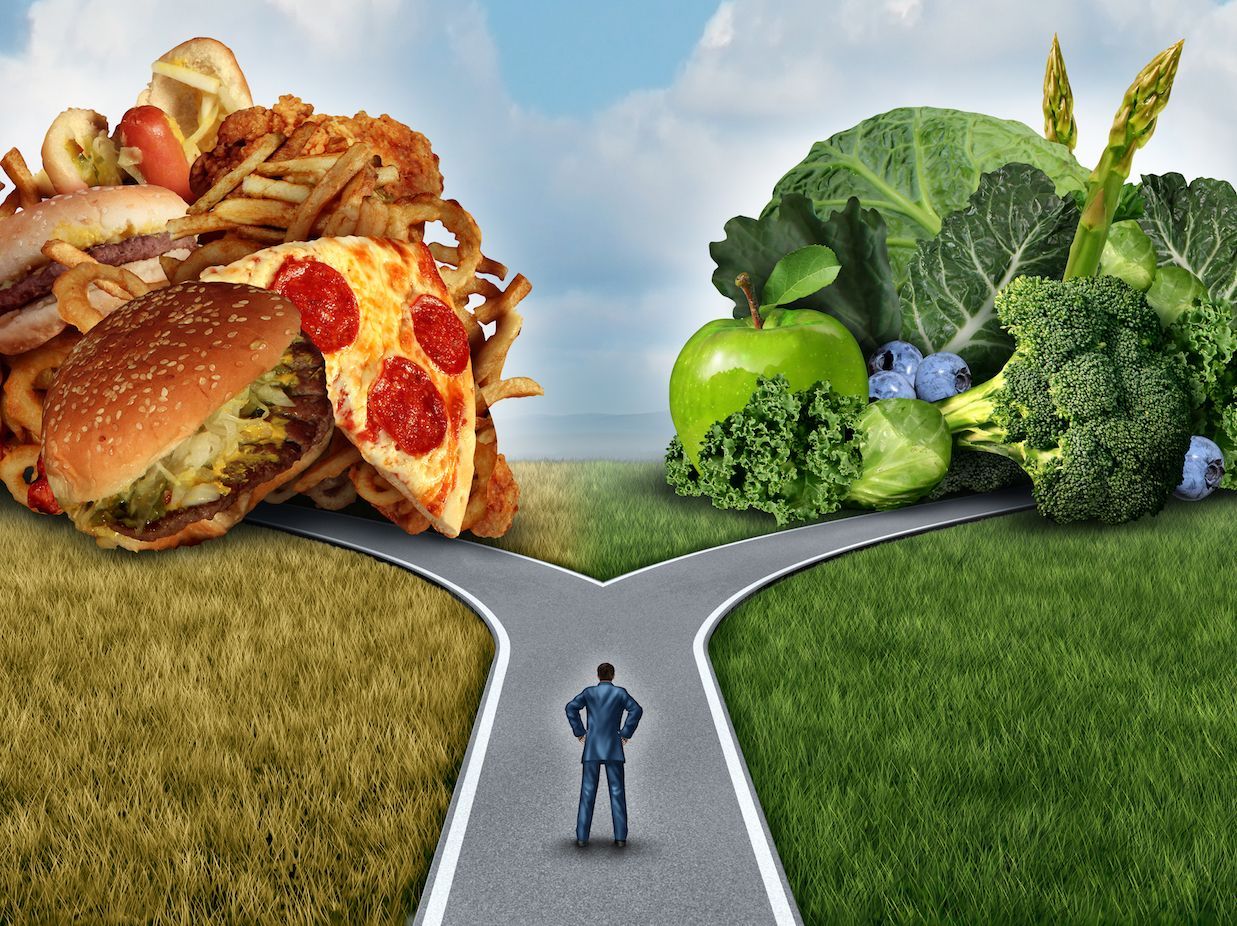
Whole Foods Vs. Processed Foods
The difference between whole foods and processed foods isn’t just about calories, nutrients, or labels - it’s about how your body feels and functions after you eat them. Food isn’t just fuel; it’s information. Every bite you take sends a message to your body, telling it how to respond. Whole foods send a message of balance and healing, while processed foods send a message of stress and strain.
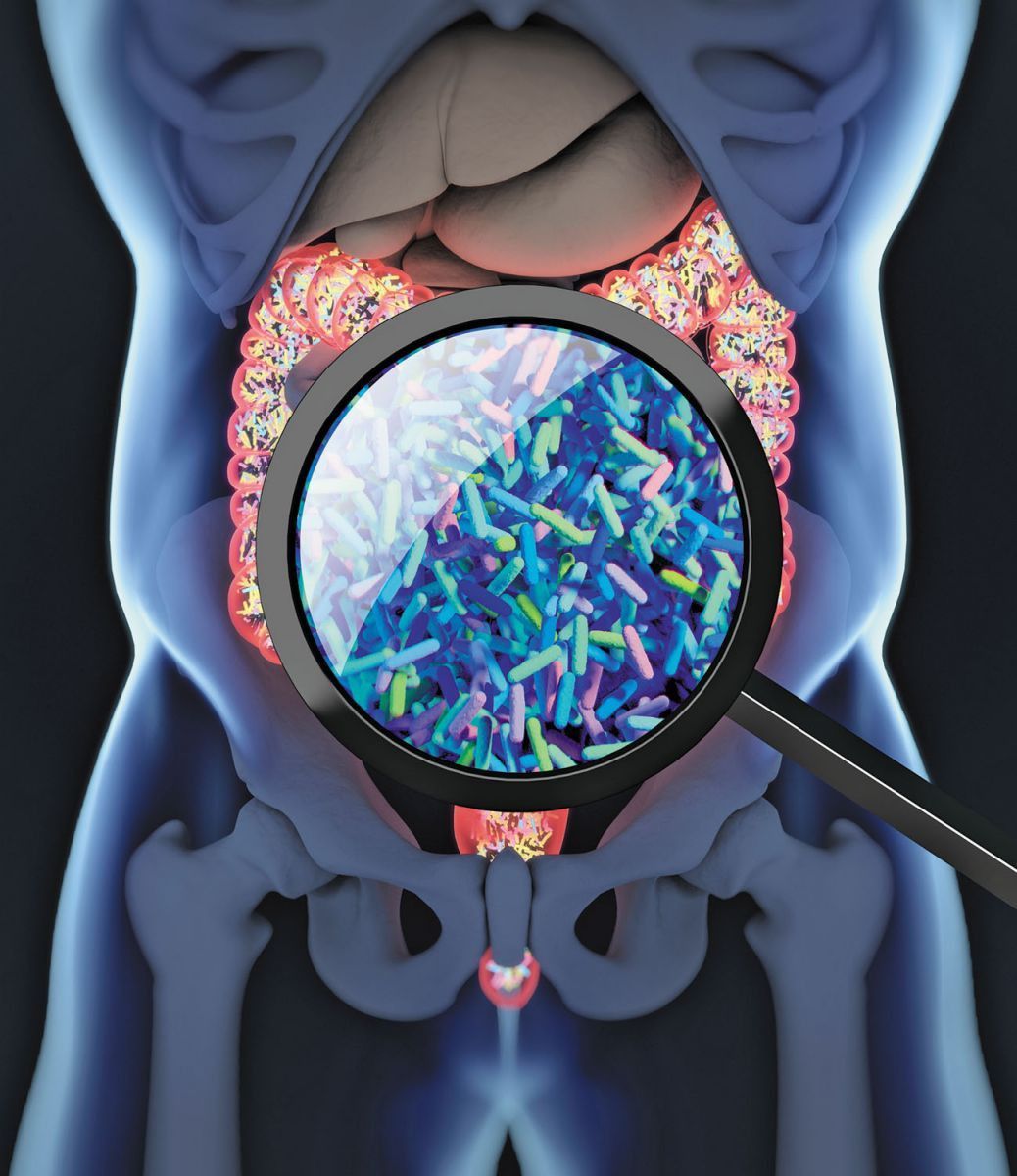
Whole foods help your body stay in rhythm. The natural fiber in fruits and vegetables supports digestion and keeps blood sugar stable, meaning fewer mid-day slumps, as well as fatigue. Meals made with real ingredients leave you satisfied rather than stuffed, because your body receives real nourishment - not just empty calories.
Processed foods, on the other hand, are designed for convenience and taste - not for balance. They often flood your system with quick sugars, artificial ingredients, and additives that your body doesn’t recognize or process efficiently. The result is a quick burst of energy followed by a crash, leaving you tired, unfocused, or craving more. Over time, this rollercoaster can throw your body's natural systems out of sync, creating inflammation, sluggish digestion, and even discomfort in your muscles and joints.
That's what makes this difference so powerful: it's not just about what you eat, but how your body responds . Over time, consistently choosing whole foods helps your body find balance. You begin to move more freely, think more clearly, and recover more quickly. You sleep better, your posture improves, and your energy feels natural, not forced.
How Whole Foods Affects Your Body’s Performance
Whether you’re at work, chasing after your kids, or simply trying to feel your best, your body is constantly in motion and working to keep you balanced. What you feed your body determines how well it performs.
Whole foods give your body clean, steady energy and the building blocks it needs to function properly. They don’t just fill you up - they fuel you. Unlike processed foods that cause energy spikes and crashes, whole foods provide long-lasting vitality, sharper focus, and smoother movement throughout the day.
Whole foods create an environment that doesn’t force healing, but rather supports it. By reducing inflammation, promoting healthy digestion, and keeping your body hydrated, whole foods make it easier for your body to recover from pain, stress, or injury naturally.
Simple Ways to Add More Whole Foods to Your Routine
One of the easiest ways to begin is by making substitutions. Replace just one processed food in your daily routine with something closer to nature. Try swapping out a pastry for oatmeal and fruit, or a bag of chips for a handful of nuts. Instead of reaching for sweetened drinks, keep a reusable bottle of water or herbal tea nearby.
Eating more whole foods isn’t about eliminating everything you enjoy - it's about creating balance. You can still enjoy your favorite treats now and then, but small sustainable steps can lead to real change.
Fuel your Health, Naturally!
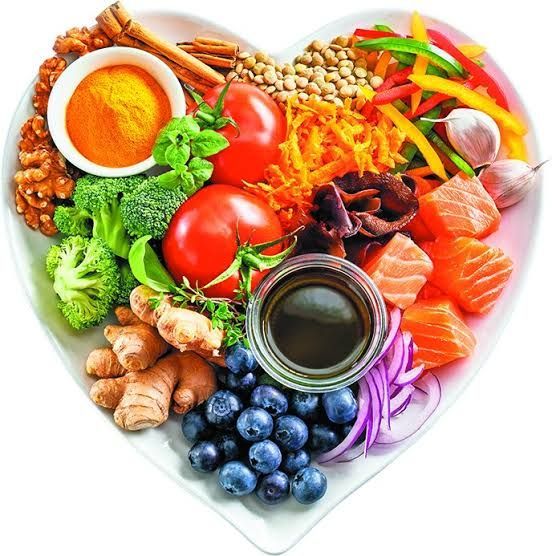
When you choose whole, natural foods, you’re doing more than eating better; you’re choosing to care for your body from the inside out. Each meal becomes a step toward better energy, less inflammation, and a stronger foundation for lifelong wellness.
The beauty of whole foods is in their simplicity - food that's close to its natural state gives your body what it recognizes and truly needs. It’s not about restriction or perfection; it’s about connection. Connection to your food, your body, and the natural rhythm of your health, you were designed to follow.
At Function First , we believe in mindful eating and giving your body what it deserves. So start small. Cook one more meal a day at home. Add one fruit or vegetable to your day. Each mindful choice you make moves you closer to feeling your best - naturally.
Contact us at: www.FunctionFirstindy.com or call us at (317)-708-9355