
Winter Weight Gain: Why It Happens and How to Reset Naturally

December 12, 2025

Discover why winter slows your metabolism, increases cravings, and how to naturally reset your health.

If you feel heavier, more sluggish, or less motivated during the winter months, you’re far from alone. Winter weight gain is incredibly common — and it's not just about the holidays. Seasonal changes affect your hormones, metabolism, cravings, mood, and even your spine and nervous system.


Winter is often the “perfect storm” for gaining weight. But the good news? With the right natural strategies, you can reset your body and feel energized again — without extreme dieting or medication.


Let’s break down why winter weight gain happens and how to reverse it safely and naturally.


Less Sunlight = Lower Mood + Higher Cravings

Winter brings shorter days and limited sunlight, which lowers your body's natural production of serotonin — the “feel-good” neurotransmitter.

When serotonin drops, cravings rise. 

You may notice yourself reaching for:


  • Comfort Foods
  • Sugar
  • Bread and Pastries
  • Heavy Meals


Your Metabolism Naturally Slows Down

One of the biggest reasons winter weight gain is so common is simply because your metabolism shifts during the colder months. When the temperature drops, we naturally move less. Paired with shorter days, colder weather, and the desire to stay warm indoors, all reduce our daily activity without us even realizing it. This decrease in movement means your body burns fewer calories than it does during the spring and summer, even if your eating habits stay the same.


Cold weather also causes muscles to tighten and conserve heat, leading to a slight reduction in circulation and metabolic speed. On top of that, comfort foods become more appealing, portion sizes tend to creep up, and our routines become less structured. All of these factors work together to slow down your metabolism, making it easier to gain weight and harder to lose it. It isn’t about lack of willpower — it’s a natural seasonal shift happening inside your body.


Increased Stress + Inflammation

Winter is surprisingly stressful on the body—even if you don’t feel mentally overwhelmed. Cold temperatures create a subtle physical stress response that tightens muscles, restricts blood flow, and increases inflammation. When your body is working harder to stay warm, it diverts energy and resources away from digestion, recovery, and metabolism, leaving you feeling stiffer, more fatigued, and more inflamed than usual.


At the same time, many people experience emotional or mental stress during the winter months. Reduced sunlight can impact mood-regulating hormones, and the shift to shorter, darker days can make everything feel a little heavier. When stress rises, your body produces more cortisol—the hormone that tells your system to store fat, especially around the midsection. Elevated cortisol also increases cravings for sugar and carbs, disrupts sleep, and makes it harder to manage appetite or maintain consistent routines.


This combination of physical tension and emotional stress creates an ideal environment for inflammation to build. Inflammation doesn’t just cause discomfort; it can slow metabolic function, make it harder to lose weight, and encourage the body to hold onto water and fat as a form of self-protection. The result? You may notice bloating, puffiness, digestive changes, or stubborn weight gain—even if you feel like your habits haven’t changed dramatically.


How to Support Healthy Weight Loss This Winter

Winter doesn’t have to mean weight gain. With simple natural strategies, you can reset your body and feel better from the inside out.


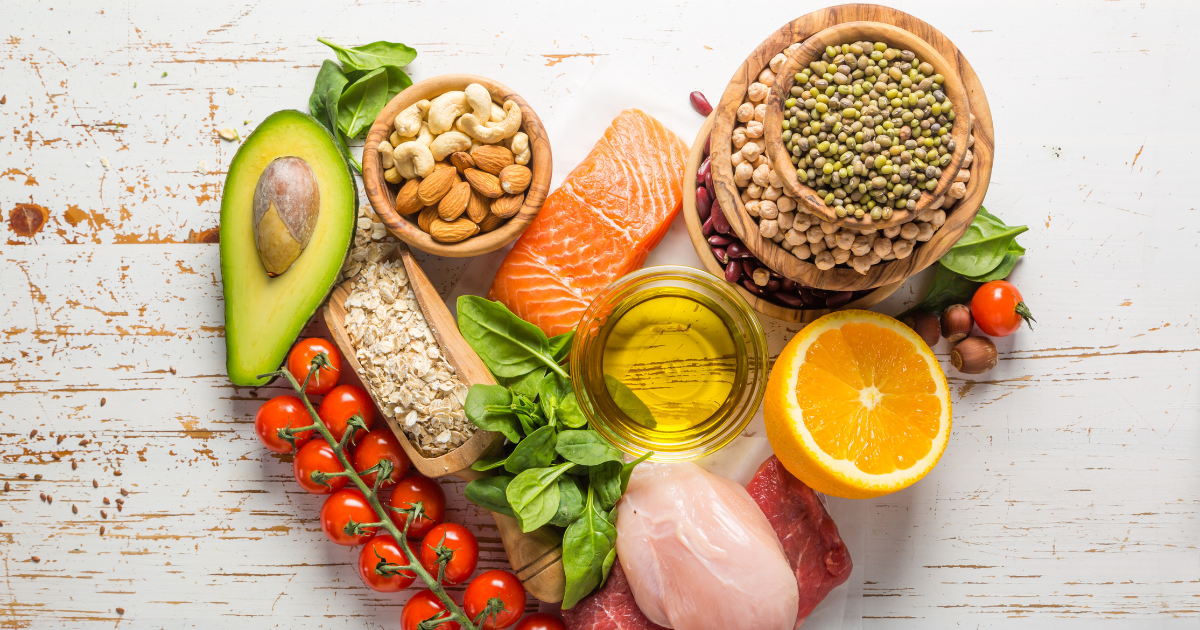
Prioritize Real, Whole Foods

One of the most effective ways to support healthy weight management in the winter is to focus on eating real, whole foods. These foods provide the nutrients your body needs to stay energized, stabilize blood sugar, and reduce inflammation—all of which become even more important when the colder months naturally slow metabolism and increase cravings. During winter, it’s normal to reach for heavier, more comforting meals, but this instinct often leads to quick spikes and crashes in energy. Whole foods, on the other hand, give your body steady, sustained fuel without overwhelming your system.


Lean proteins, colorful vegetables, healthy fats, and high-fiber carbohydrates help keep you full longer and prevent the blood sugar swings that trigger cravings. Foods like winter squash, sweet potatoes, leafy greens, berries, nuts, fish, and broth-based soups offer warmth and comfort while still supporting your health. Choosing these kinds of foods also helps reduce inflammation, which is a common barrier to weight loss—especially when colder weather tightens the body and slows circulation.


Try a Guided, Natural Weight Loss Reset

For many people, winter weight gain isn’t just about eating more or moving less: it’s a sign that the body is feeling overwhelmed, inflamed, or out of balance. When metabolism slows, cravings rise, and energy drops, it becomes incredibly difficult to lose weight through willpower alone. This is where a guided, natural weight loss reset can make a life-changing difference. Instead of guessing your way through diets or trying quick fixes that leave you feeling discouraged, a structured reset helps your body return to a healthier baseline where weight loss becomes easier and more sustainable.


A natural weight loss reset focuses on supporting your body’s actual biology, not fighting against it. Many people struggle because their hormones, digestion, or nervous system is working against them. When the body is stressed or inflamed, it naturally holds onto fat as a protective mechanism. A reset helps calm these internal stress signals, reduce inflammation, regulate appetite, and restore metabolic function. The result is not only weight loss, but more energy, clearer thinking, and a sense of feeling grounded and in control again.


Function First — Natural Relief. Real Results.


👉 Want to learn more about our natural weight loss program? 

Call us at (317) 708-9355 or visit www.functionfirstindy.com

Translator available if needed!

July 27, 2026
The way you fuel your body each day has a significant impact on your overall health and well-being . Eating the right balance of nutrients, staying properly hydrated, and making healthy food choices can support energy levels, digestion, immune function, and long-term wellness. When your body receives the nourishment it needs, it can function more efficiently and help you feel your best every day. Many people focus only on calories when trying to improve their health, but the quality of those calories matters just as much. Whole foods such as lean proteins , fruits , vegetables , healthy fats , and fiber-rich carbohydrates provide the vitamins and minerals your body needs to function properly. Eliminating processed and fatty foods as well as oils might make you feel better and be the key to your weight loss. Consistently choosing nutrient-dense foods may also help support a healthy metabolism, improve digestion, reduce inflammation, and make it easier to maintain a healthy weight . Hydration is another essential part of good nutrition that is often overlooked. Water plays a vital role in nearly every process in the body, including regulating body temperature, transporting nutrients , supporting joint health , and aiding digestion . Even mild dehydration can contribute to fatigue , headaches , and decreased concentration . Making water a daily priority is one of the simplest ways to support your overall health and help your body perform at its best. At Function First , we understand that there is no one-size-fits-all approach to nutrition . That's why we offer personalized ingredient lists designed around your individual weight loss goals, and preexisting conditions. Lose weight with Function First today! Whether your goal is to lose weight , increase your energy , or simply improve your overall health , our team is here to provide the education, guidance, and support you need to build healthy habits that last. Discover how better nutrition can help you feel your best! Contact us: (317) 708-9355 or visit our website: www.functionfirstindy.com
July 23, 2026
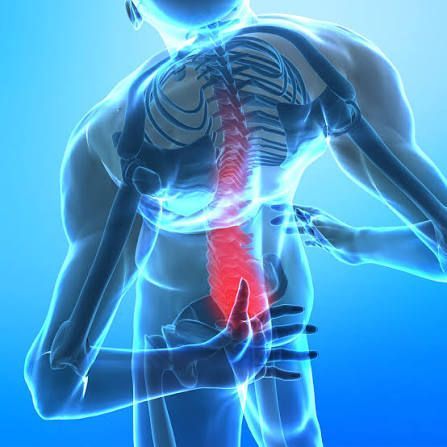
When back pain starts controlling your life, every day becomes a challenge. Simple activities like getting out of bed , sitting through work , playing with your children or grandchildren , or enjoying your favorite hobbies can become frustrating and painful. If you've tried medications, injections, or temporary fixes without lasting relief, it may be time to explore a different approach. At Function First , we believe that successful treatment begins by identifying the source of your pain not simply masking the symptoms. That's why we offer comprehensive evaluations to determine whether non-surgical spinal decompression may be the right solution for you. Spinal decompression is a gentle, non-surgical therapy designed to reduce pressure on damaged spinal discs and irritated nerves . By carefully stretching the spine using specialized technology, spinal decompression may help relieve pressure associated with conditions such as herniated discs, bulging discs, degenerative disc disease, and sciatica. The treatment also encourages the movement of oxygen, water, and nutrients into the affected disc, helping support the body's natural healing process. You don't have to accept chronic back pain as part of everyday life. Thousands of people continue to live with disc-related pain simply because they don't know there are non-surgical options available. If you're ready to find out what's really causing your pain, schedule a free consultation with Function First today.  Contact us: (317) 708-9355 or visit our website: www.functionfirstindy.com
July 22, 2026
At Function First , we believe weight loss is about more than just appearance : it's about improving your health, increasing your energy, and enhancing your overall quality of life. Carrying excess weight may contribute to chronic inflammation, joint pain, fatigue, high blood pressure, and other health concerns that can make everyday activities more difficult. Achieving a healthy weight can help reduce these risks, improve mobility, boost confidence, and support long-term wellness. If you're ready to feel better, move better, and live healthier, weight loss may be the first step toward a better quality of life. Our approach helps patients achieve sustainable weight loss through personalized nutrition , healthy lifestyle habits , and natural wellness solutions . By addressing the root causes of weight gain and supporting whole-body health, we help patients increase energy, reduce pain, improve mobility, and support a lower risk of chronic disease. Function First provides personalized ingredients and food lists, weekly monitoring , and a supportive team dedicated to helping you succeed every step of the way. Weight loss is not easy, and because everyone is unique, a customized nutrition plan is essential for long-term success . Our natural approach to weight loss is designed to help you achieve lasting results , feel better, improve your overall health, and get back to doing the things you love!  If you're ready to lose weight and take control of your health, Function First is here to help you achieve lasting results and optimal wellness: naturally . If natural weight loss interests you, schedule your consultation today. Start your journey toward a lighter , healthier version of you! Call us: (317) 708-9355 Visit our website: www.functionfirstindy.com
July 14, 2026
Spinal decompression is a non-surgical treatment designed to relieve pressure on the spine and its surrounding structures. During treatment, a specialized table carefully stretches the spine , creating negative pressure within the spinal discs . This process may help reduce pressure on compressed nerves, improve circulation, and encourage the movement of oxygen , water , and nutrients into damaged discs. Many patients experiencing conditions such as herniated discs, degenerative disc disease, sciatica, or chronic lower back pain may benefit from spinal decompression therapy . By reducing pressure within the spine, people often report decreased pain , improved mobility , and a better ability to perform daily activities . Function First incorporates spinal decompression as part of a comprehensive treatment plan in addition to spinal decompression therapy, chiropractic adjustments, and corrective exercises. All of these may improve long-term health . This holistic approach focuses on improving the function of the spine rather than simply covering symptoms with medication. A holistic approach to healthcare focuses on helping the body function at its highest potential through natural , non-invasive solutions. By improving communication between the spine, nerves, and the rest of the body, therapies such as spinal decompression may support healing without the need for surgery or medication. Combined with proper nutrition and healthy lifestyle choices, this whole-body approach promotes long-term wellness , improved function , and a better quality of life . One of the biggest advantages of spinal decompression is that it is non-invasive and does not require surgery or lengthy recovery times. Most treatment sessions are comfortable, and a patient might even find it relaxing. If you're struggling with persistent back pain , consult with Function First and determine if spinal decompression is right for you. A thorough evaluation can help identify the underlying cause of your pain and create a personalized treatment plan tailored to your needs. At Function First , our team is dedicated to helping patients find lasting relief through safe, effective, and natural treatment options. Contact us today to learn how spinal decompression therapy may help you get back to doing the things you love.  Visit our website: www.functonfirstindy.com or call us: (317) 708-9355
July 9, 2026
The body content of your post goes here. To edit this text, click on it and delete this default text and start typing your own or paste your own from a different source.
June 29, 2026
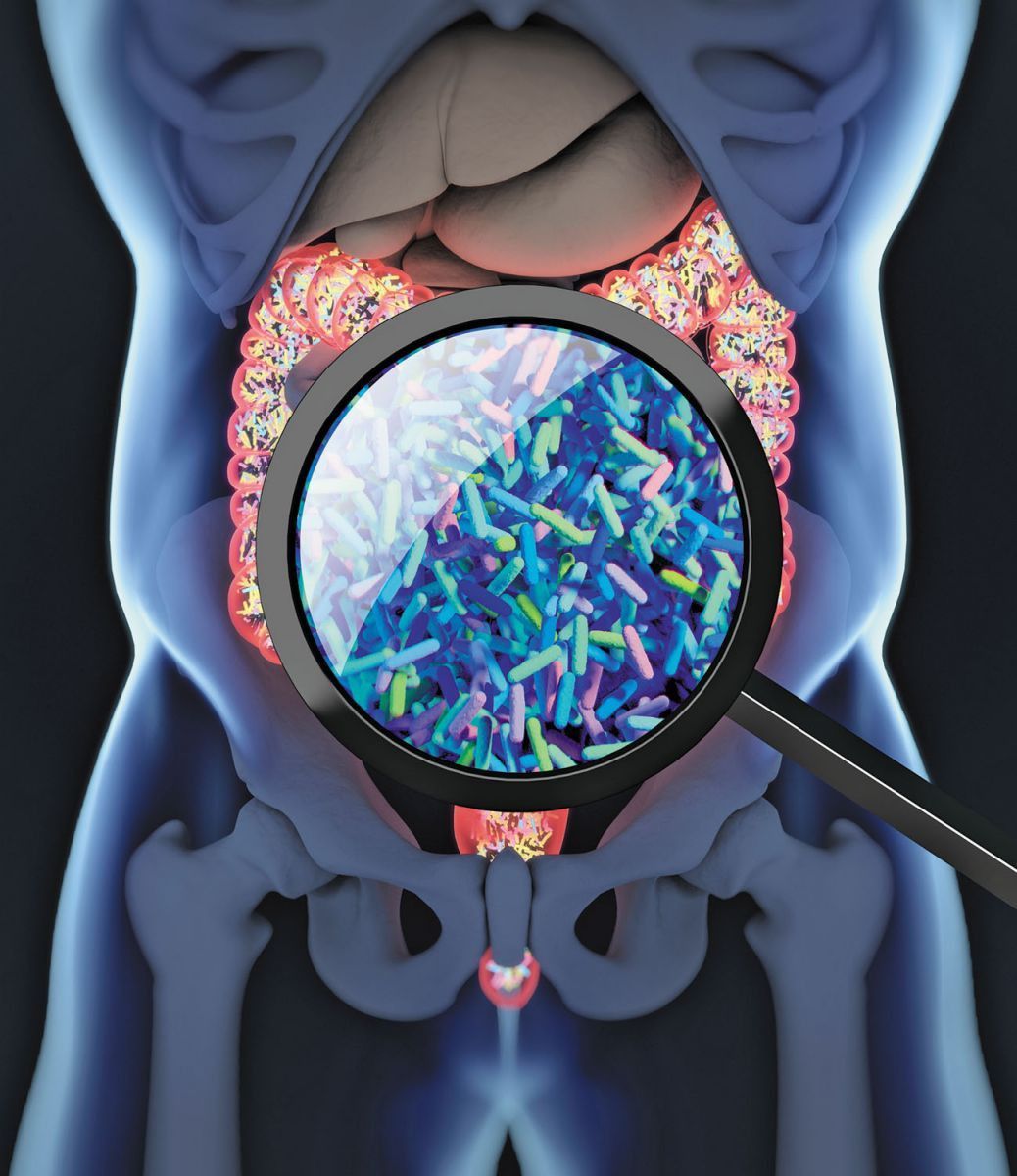
When most people think about weight loss, they focus on calories, exercise, or metabolism. However, another important factor that may influence overall health and weight management: gut health . The gut microbiome consists of trillions of bacteria and other microorganisms that live within the digestive system. These microorganisms play a critical role in digestion, nutrient absorption, immune function, and even the regulation of hunger and appetite. While the microbiome is unique to everyone, maintaining a healthy balance of gut bacteria may contribute to better overall health and support weight loss efforts. An unhealthy gut can affect how the body processes food and absorbs nutrients. It may also contribute to digestive discomfort , bloating , irregular bowel habits , and inflammation . Research has also suggested that gut health may influence hormones involved in hunger. When these signals are disrupted, individuals may experience increased cravings, overeating , or difficulty feeling satisfied after meals. This can create additional challenges for those attempting to lose weight or maintain a healthy body composition. Consuming a diet rich in fruits , vegetables , lean proteins , and fiber-rich foods can help nourish beneficial bacteria. Staying hydrated, managing stress, prioritizing sleep, and maintaining consistent eating habits may also contribute to improved digestive health and overall wellness. While gut health is important, there is no single food, supplement, or trend that can instantly repair the microbiome or produce lasting weight loss results. Sustainable success requires a comprehensive approach that considers nutrition, lifestyle habits, and individual health needs . At Function First , we recognize that every patient is different. Our personalized nutrition program is designed to identify the factors that may be affecting weight loss, energy levels, and overall health. Through individualized guidance and tailored nutrition, we help patients develop habits that support both digestive health and long-term weight loss. Rather than relying on restrictive diets, injections, or medications, Function First’s all-natural program focuses on education and sustainable lifestyle changes. By understanding how nutrition affects the body, including the digestive system, patients can make informed decisions that support their health for years to come. If your digestive health, energy levels, and weight loss goals seem connected, perhaps the question is not simply "What should I eat?" but rather , "What is my body trying to tell me?" At Function First , we help patients uncover those answers through personalized nutrition and a plan designed specifically for their needs.  Schedule a consultation today and take the first step to making a change. Contact us at : www.functionfirstindy.com or call us at: (317) 708-9355
June 22, 2026
Discover how a customized nutrition plan can help you feel better, lose weight, and improve your overall well-being
June 17, 2026
Personalized Nutrition for Lasting Weight Loss
January 6, 2026
When most people think of gut health, they imagine digestive comfort—avoiding bloating, heartburn, or irregular bowel movements. While these are certainly signs of a healthy digestive system, the gut plays a far larger role in our overall well-being than just breaking down food. In fact, your gut is often called the "second brain" because it communicates directly with your nervous system, impacts your mood, and even influences your immune system. Understanding that gut health is a cornerstone of overall health, not just digestion, opens the door to lifestyle choices that strengthen immunity, and improve your quality of life from the inside out. It’s a reminder that what happens in your gut doesn’t stay in your gut—it reverberates throughout your whole body. The Gut — Brain Connection The gut and brain are constantly communicating through what scientists call the gut-brain axis—a complex network of nerves, hormones, and chemical signals. This means your gut doesn’t just process food; it also affects mood, focus, stress response, and overall mental clarity. The gut communicates with the brain in several key ways: The Vagus Nerve : The main highway between the gut and brain, sending signals about the state of your digestive system. Chemical Messengers : Gut bacteria can produce compounds that help regulate brain function, energy levels, and alertness. Immune System Signaling : A healthy gut supports balanced inflammation, which is important because chronic inflammation can affect cognitive function and overall well-being. When the gut is out of balance—due to diet, stress, or other lifestyle factors—it can disrupt these signals, sometimes causing brain fog, trouble concentrating, or heightened stress responses. On the flip side, nurturing your gut with fiber-rich foods, probiotics, stress management, and good sleep can support clearer thinking, better focus, and a more resilient nervous system. Gut Health and Inflammation When gut health is compromised—due to poor diet, stress, infections, or imbalances in gut bacteria—the gut barrier can become “leaky,” allowing toxins to escape and triggering systemic inflammation. This chronic inflammation can affect not just digestion but overall health, influencing energy levels, skin health, and even brain function. Supporting gut health is a powerful way to keep inflammation in check. Eating fiber-rich foods, fermented and prebiotic foods, staying hydrated, managing stress, and getting quality sleep all contribute to a resilient gut lining and a balanced inflammatory response. In this way, nurturing your gut isn’t just about comfort—it’s about protecting your body from the silent effects of chronic inflammation. Gut Health and the Immune System The gut acts as a first line of defense, distinguishing between harmless substances like food and beneficial bacteria, and harmful invaders like pathogens or toxins. A healthy gut helps train and regulate the immune system in several ways: Barrier Protection : The gut lining acts as a physical shield, preventing harmful microorganisms from entering the bloodstream. Immune Signaling : Beneficial gut bacteria communicate with immune cells, helping the body respond appropriately to infections without overreacting. Inflammation Control : A balanced gut prevents unnecessary chronic inflammation, which can compromise immunity and contribute to disease. When gut health is disrupted, the immune system can become less effective, leaving the body more susceptible to infections and chronic conditions. Poor diet, stress, lack of sleep, and imbalances in gut bacteria can all weaken this critical defense network. Supporting gut health isn’t just about digestion—it’s a proactive way to strengthen immunity. Incorporating fiber-rich foods, fermented products, staying hydrated, managing stress, and getting sufficient sleep all nourish your gut and, in turn, fortify your immune system. A resilient gut helps your body defend itself more efficiently, keeping you healthier in both the short and long term. Simple Ways to Improve Gut Health Supporting your gut doesn’t have to be complicated. Small, consistent changes in daily habits can make a big difference for digestion, immunity, inflammation, and overall well-being. Here are some practical strategies: 1. Eat a Fiber-Rich Diet Fiber feeds the beneficial bacteria in your gut and supports healthy digestion. Include a variety of fruits, vegetables, whole grains, legumes, nuts, and seeds to nourish your microbiome and keep your digestive system running smoothly. 2. Stay Hydrated Water is essential for digestion and helps maintain the mucosal lining of the gut. Proper hydration supports nutrient absorption and keeps waste moving efficiently through the digestive tract. 3. Manage Stress Chronic stress can disrupt the gut-brain connection and negatively affect digestion and gut bacteria. Practices like meditation, deep breathing, yoga, or even regular walks can reduce stress and support gut health. 4. Prioritize Sleep Quality sleep helps regulate the body’s hormones, immune system, and inflammation—all of which are linked to gut health. Aim for 7–9 hours of consistent sleep per night. 5. Limit Highly Processed Foods and Excess Sugar Highly processed foods and added sugars can disrupt the gut microbiome and promote inflammation. Focus on whole, nutrient-dense foods whenever possible. 6. Move Your Body Regularly Regular exercise encourages healthy gut motility, supports a balanced microbiome, and helps reduce inflammation. Even moderate activities like walking, cycling, or stretching can provide benefits. Whole Body Wellness Gut health isn’t just about digestion—it’s a foundation for your entire body. From immunity and inflammation to mood, focus, and energy levels, a healthy gut affects nearly every aspect of your well-being. That’s why nurturing your gut is an essential step toward whole-body wellness. Small, consistent choices—like eating fiber-rich foods, incorporating probiotics, staying hydrated, managing stress, and getting quality sleep—can create a ripple effect, improving not only digestion but also your immune system, mental clarity, and overall vitality. Your journey to wellness doesn’t have to be complicated. Start with your gut, and watch how small improvements can lead to big changes in your energy, mood, and overall health. Prioritize your gut health today—because true wellness starts from the inside out. Contact us at: (317)-708-9355 or www.FunctionFirstindy.com